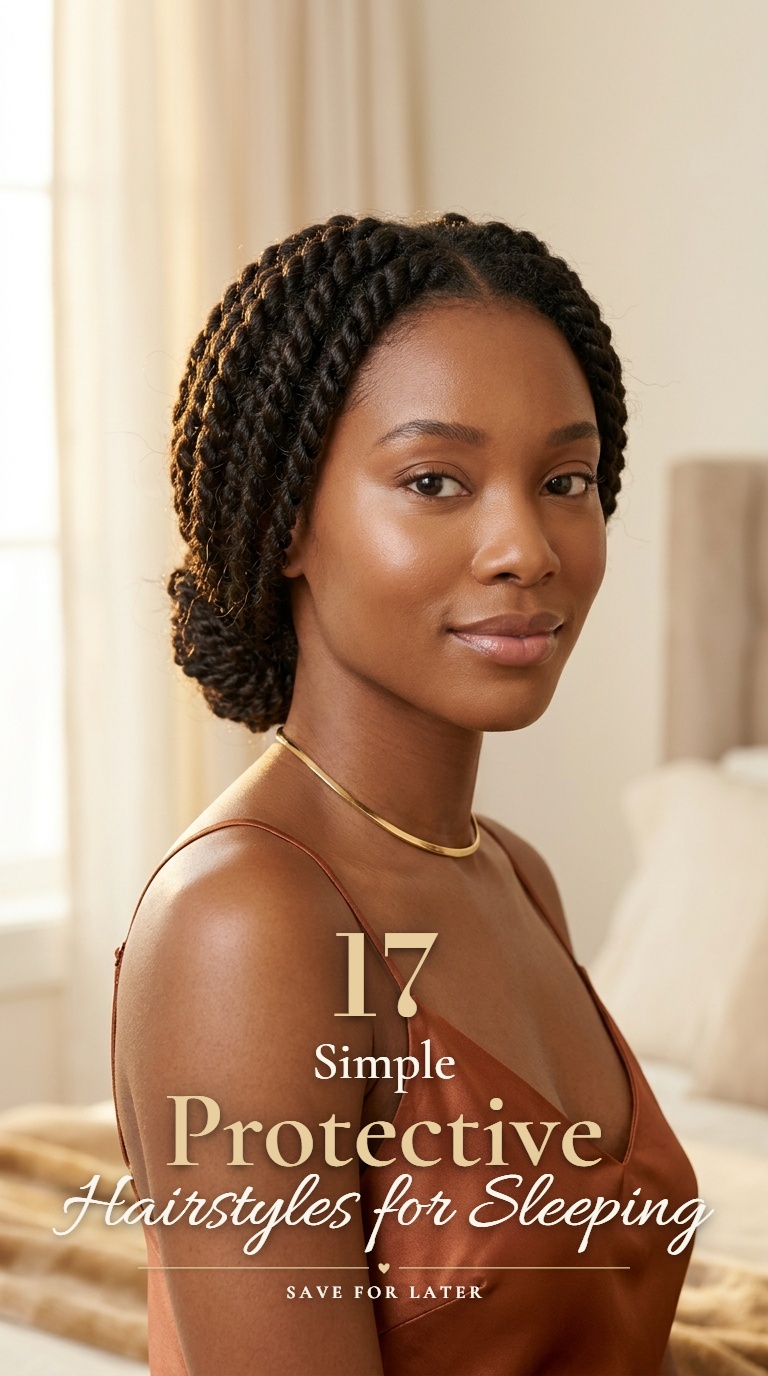
Choosing the right protective hairstyles for sleeping is a vital step in any healthy hair care routine. It prevents unnecessary friction and moisture loss during the night.
Properly securing your hair before bed minimizes tangles and knots. This simple habit saves time during your morning styling process.
Wearing your hair up or braided protects the delicate ends of your strands. It ensures your hair remains strong and grows without constant breakage.
1. Simple Loose Braid for Sleeping
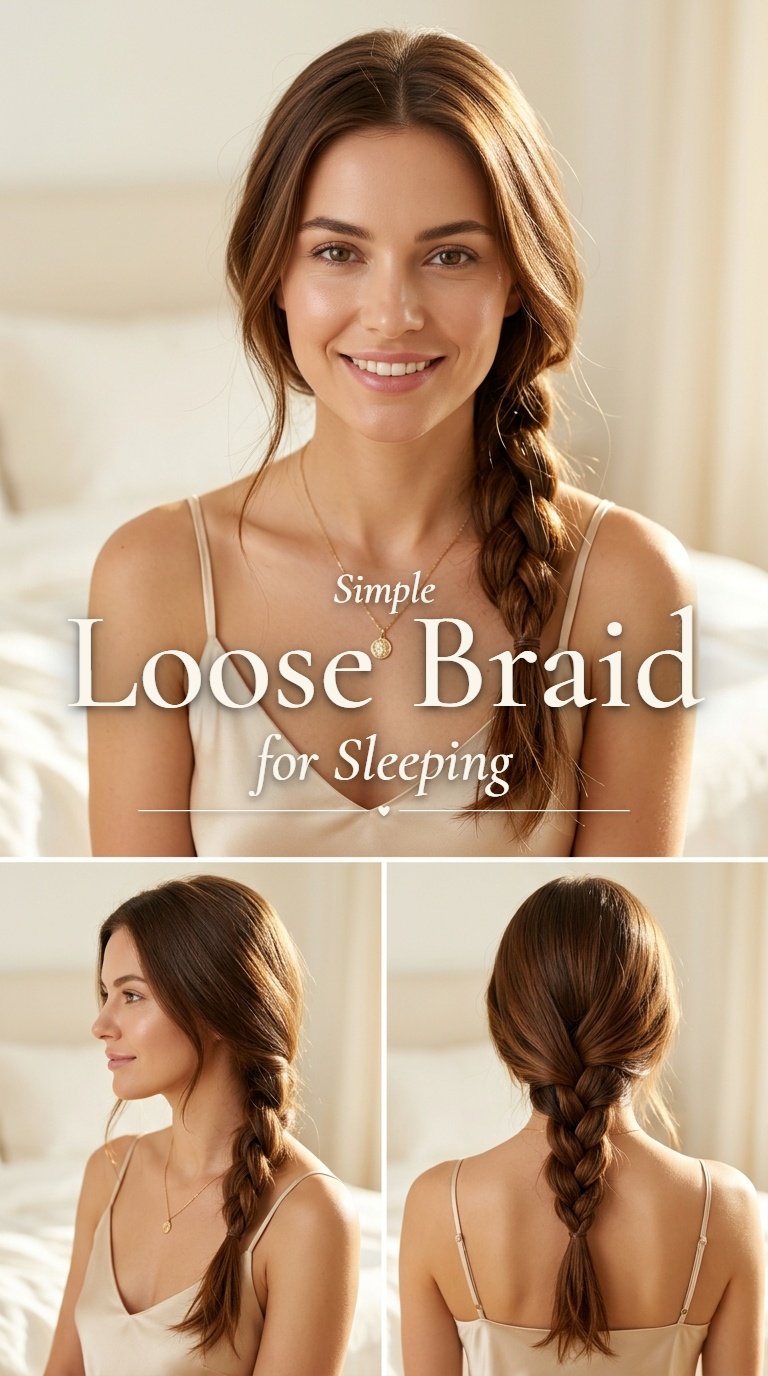
A loose braid is a classic choice for minimizing friction against your pillowcase. It keeps the hair contained without putting too much tension on the scalp or the hair follicles.
To achieve this, gather your hair at the nape of the neck and cross three sections loosely. Secure the end with a soft silk scrunchie rather than a tight plastic elastic.
This style is ideal for waking up with soft and natural waves. It prevents tangling throughout the night, making your morning detangling process significantly faster and much easier.
2. Curly Hair Pineapple Sleeping Hairstyle
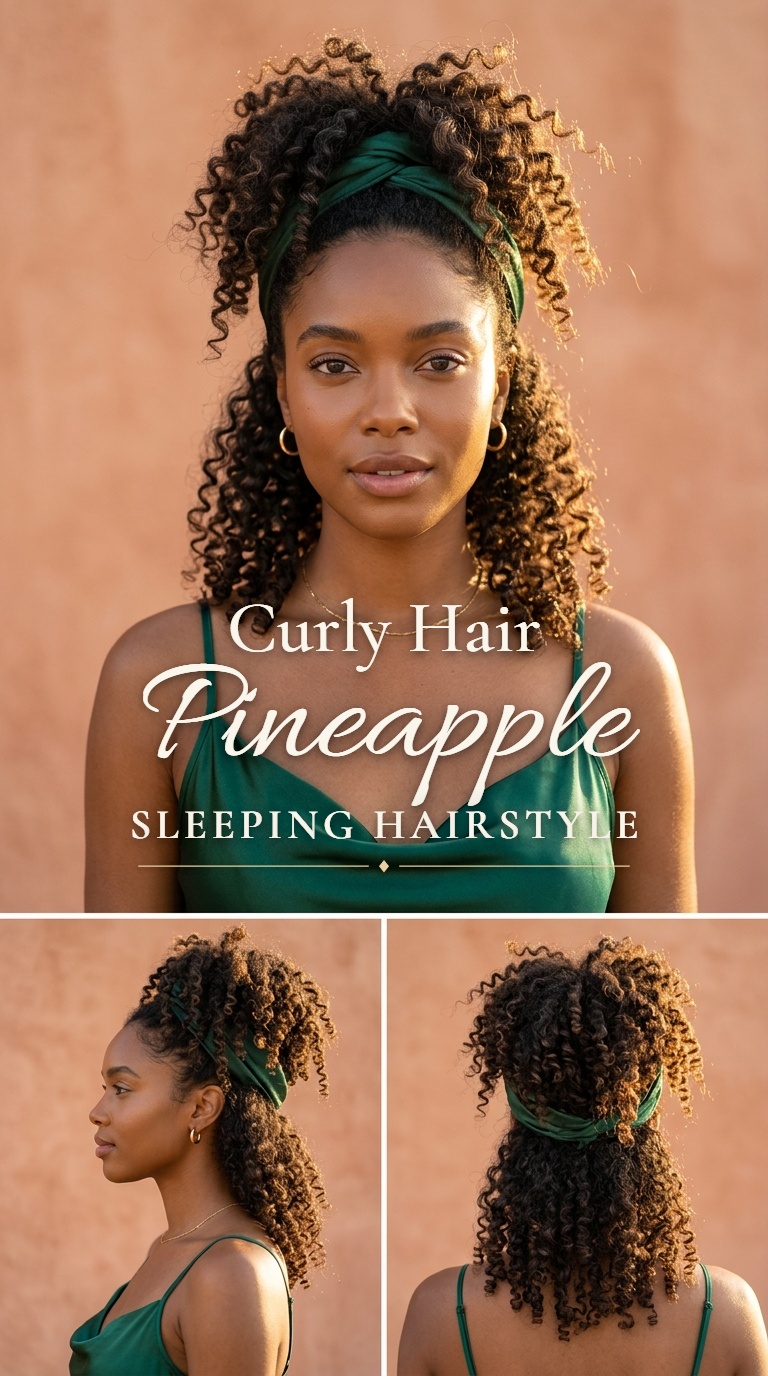
The pineapple technique is a favorite for those with natural curls or waves. It involves piling hair loosely at the very top of the head to prevent flattening.
Use a silk or satin scrunchie to hold the hair in place without creating a crease. Let the ends fall forward toward your forehead like a pineapple top.
By keeping the curls on top of your head, you avoid sleeping directly on them. This preserves your curl pattern and reduces the need for heavy daily refreshes.
3. Silk Scarf Protective Sleeping Wrap
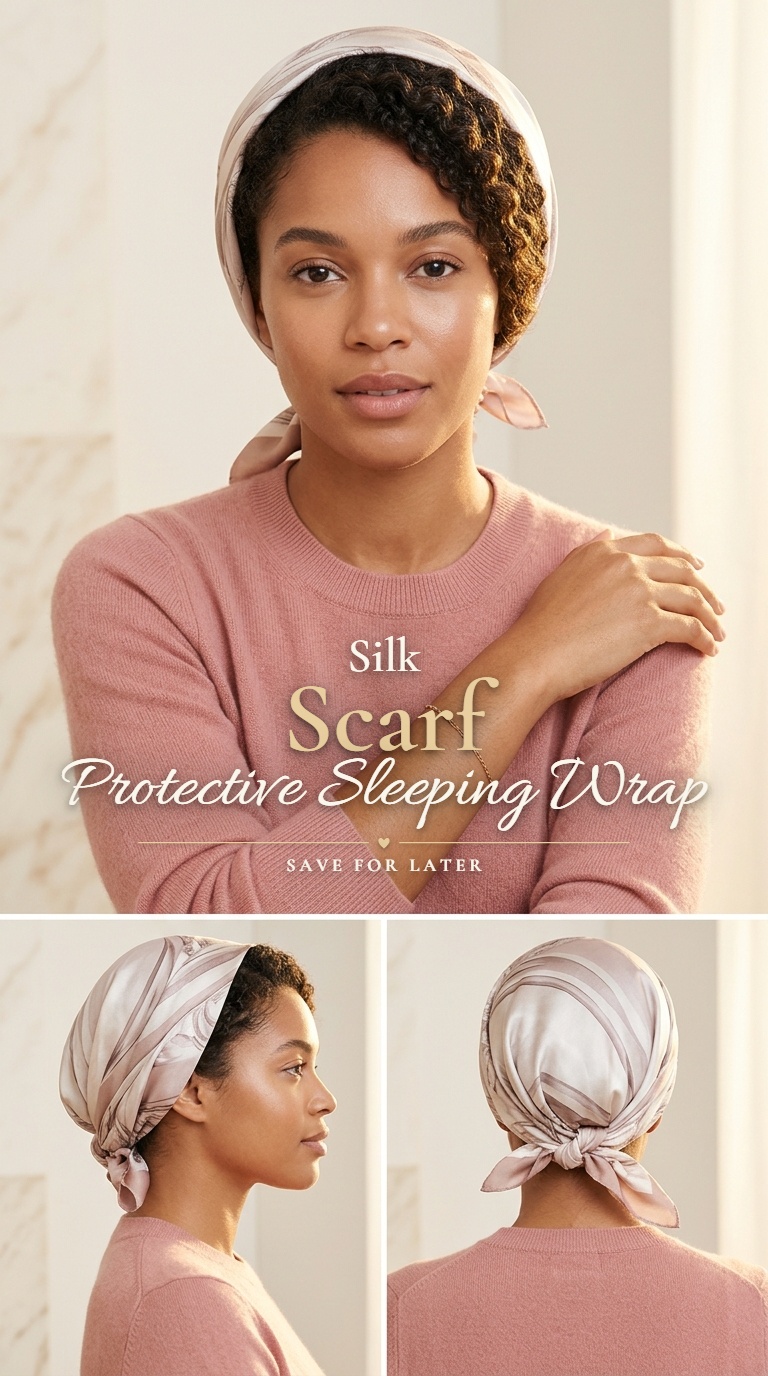
Wrapping your hair in a silk scarf offers a high level of protection against moisture loss. It creates a smooth barrier between your strands and the bedding.
You can wrap the scarf around the perimeter of your head after styling your hair in a bun. Tie it securely but comfortably at the front of your hairline.
This method is excellent for maintaining sleek styles or preventing frizz on textured hair. It ensures that natural oils stay on your hair rather than absorbing into cotton.
4. Messy Top Knot Protective Sleeping Hairstyle
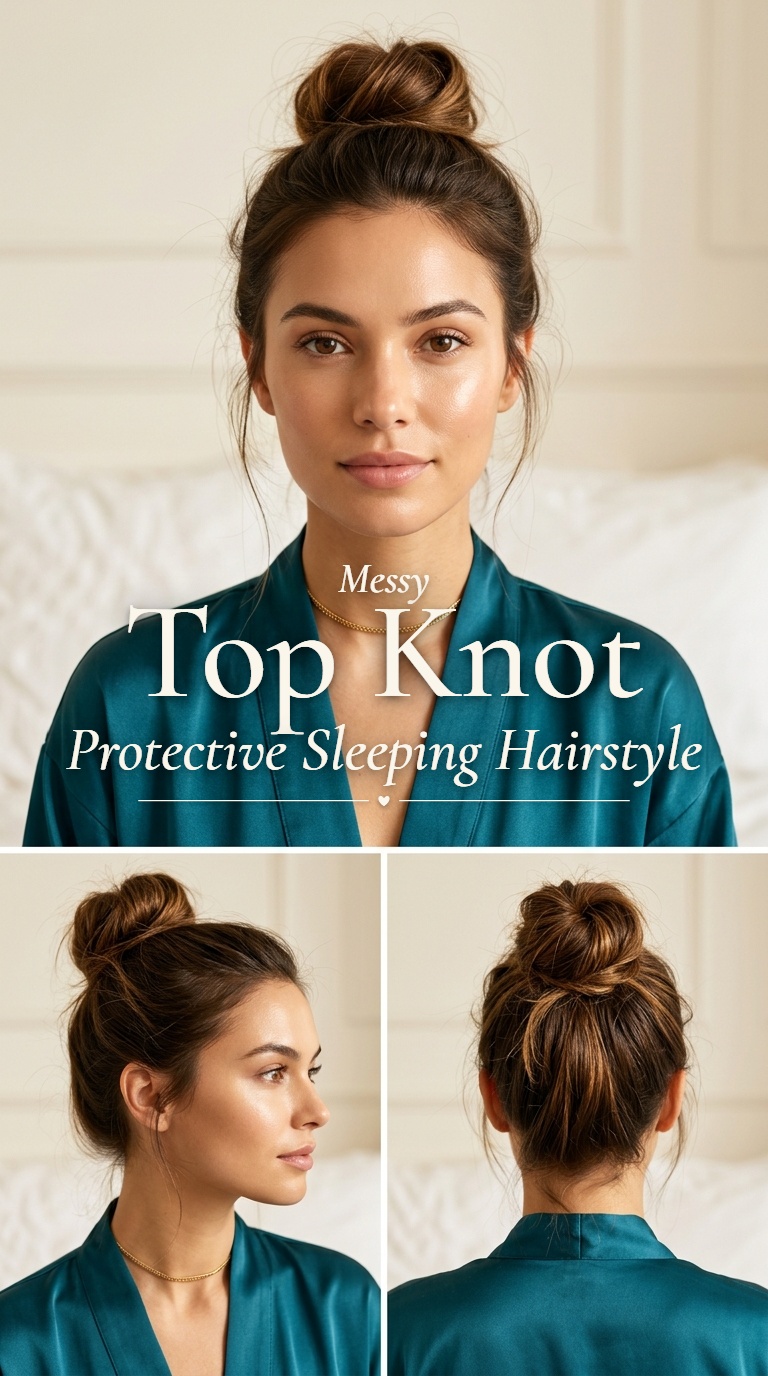
A messy top knot is a quick and efficient way to keep hair off your neck. It is particularly useful during warmer months to stay cool while resting.
Avoid pulling the hair too tight to prevent scalp soreness or hair thinning. Loop the hair loosely and secure it with a large velvet scrunchie for maximum comfort.
Positioning the knot at the crown ensures it won’t interfere with your head position on the pillow. It keeps the ends tucked away and protected from constant rubbing.
5. Double French Braid Protective Sleeping Style
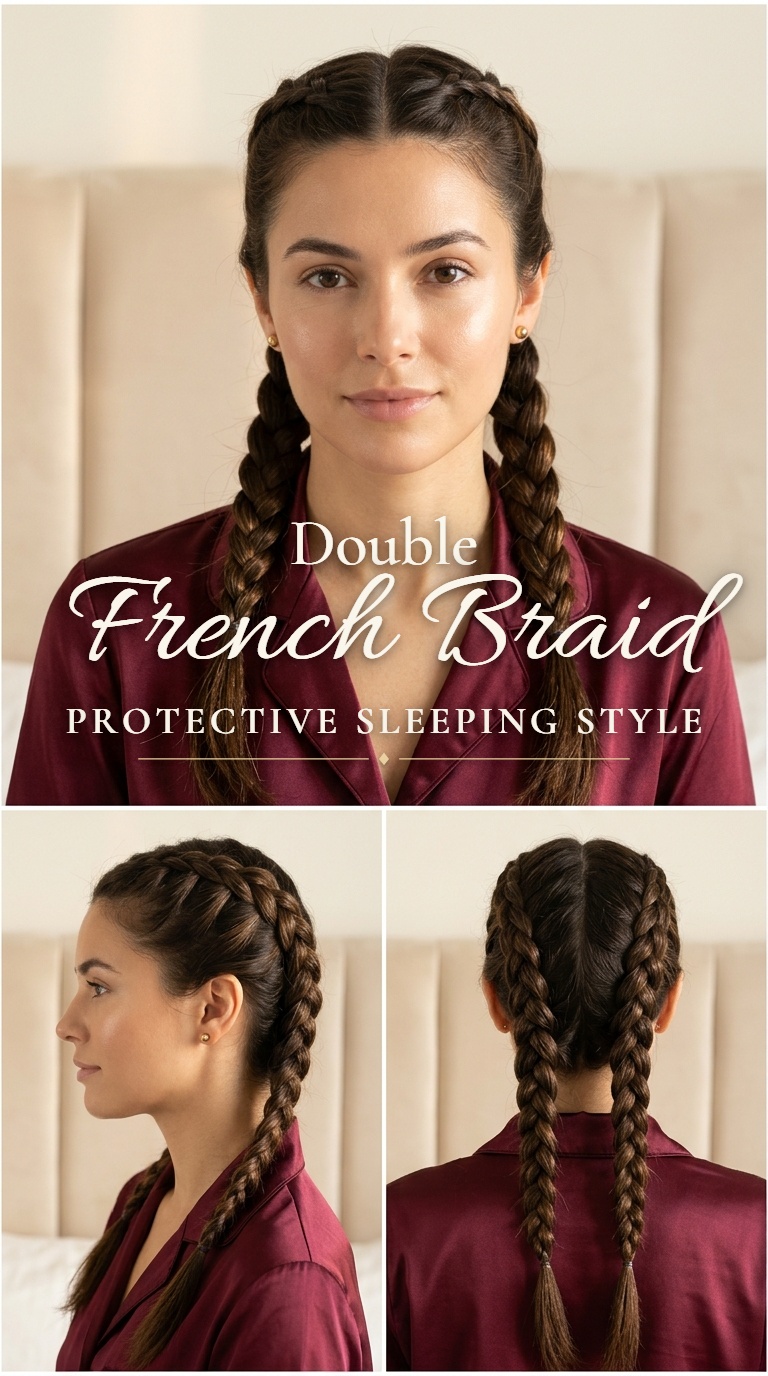
Double French braids provide a secure hold that lasts throughout the entire night. This style is perfect for active sleepers who move around frequently in their sleep.
Starting from the hairline, weave two braids down the back of your head. This keeps every layer tucked in, preventing small flyaways from becoming tangled or knotted.
Beyond protection, this style creates consistent crimped waves for the next day. It is a dual-purpose look that saves a lot of time on your morning styling routine.
6. Low Twisted Bun for Sleeping
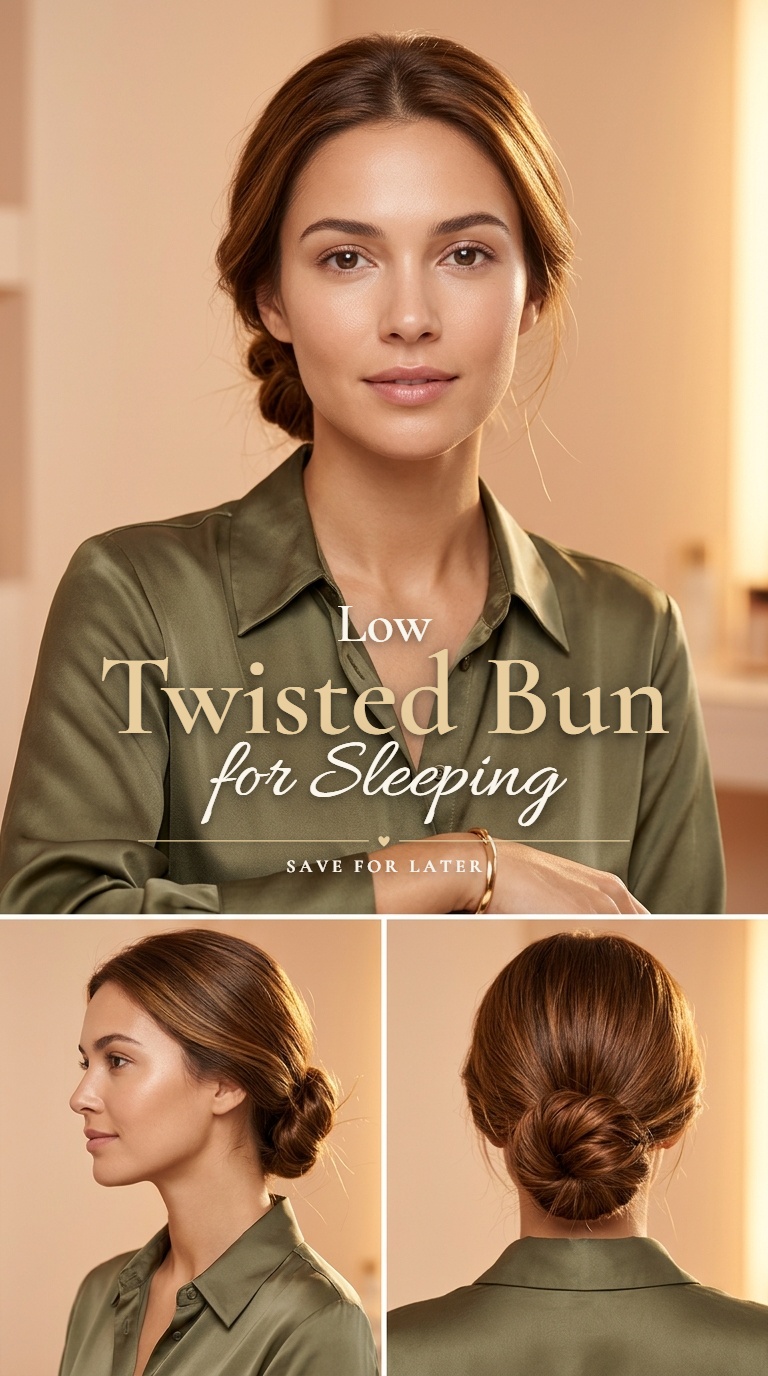
A low twisted bun is a gentle way to secure long hair without using harsh ties. It gathers the hair at the base of the neck very comfortably.
Gently twist the length of your hair and coil it into a flat circle. Use a couple of large U-shaped pins or a soft scrunchie to hold it.
Keeping the bun low prevents it from pulling on the front of your hairline. This is a very comfortable option for back-sleepers who want minimal bulk behind their head.
7. Hair Protected with Satin Sleeping Bonnet
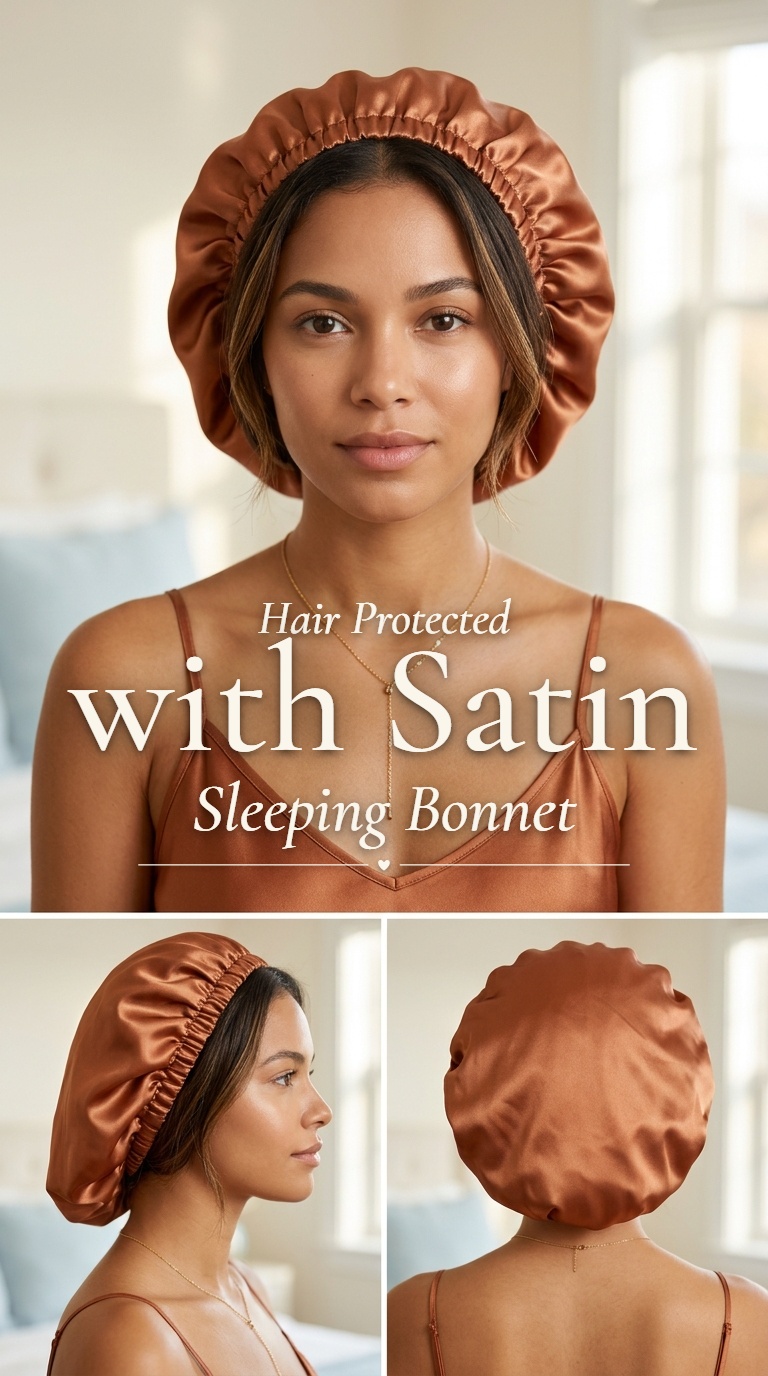
Using a satin bonnet is one of the most effective ways to preserve any hairstyle. It encloses the hair completely to eliminate friction from all possible angles.
Place your hair inside the bonnet, ensuring all ends are tucked in before pulling the elastic edge over. Look for adjustable bands for a custom and comfortable fit.
Bonnets are especially helpful for preventing split ends and general dryness. They provide a controlled environment that helps hair retain its natural moisture and shine overnight.
8. Protective Low Space Buns for Sleeping
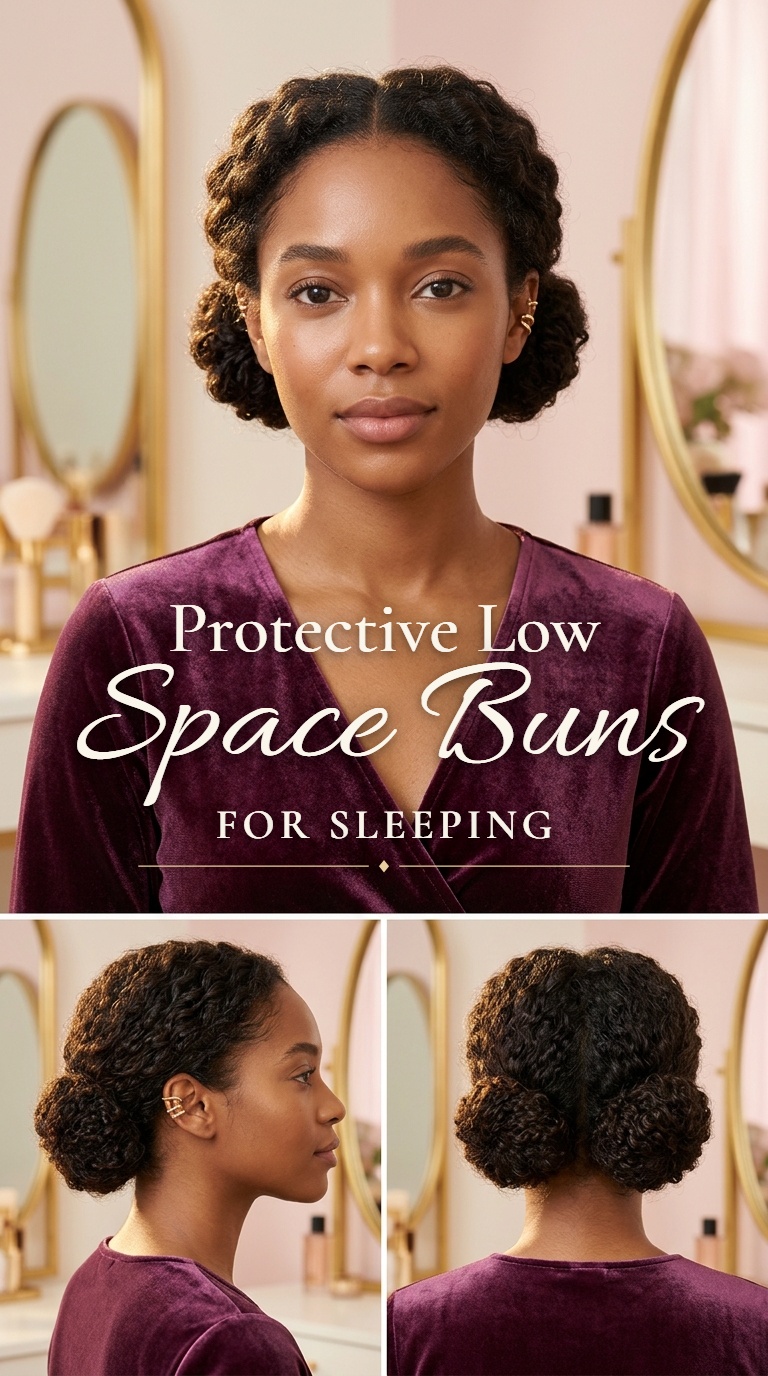
Low space buns involve splitting the hair down the middle and creating two small buns. This distributes the hair weight evenly across the back of the head.
Secure each side with a soft tie, making sure the buns are positioned behind the ears. This allows you to lie on your back or side quite comfortably.
This style is great for people with thick hair that feels too heavy in a single bun. It offers a balanced feel that won’t strain your neck or scalp.
9. Simple Crown Braid Sleeping Hairstyle
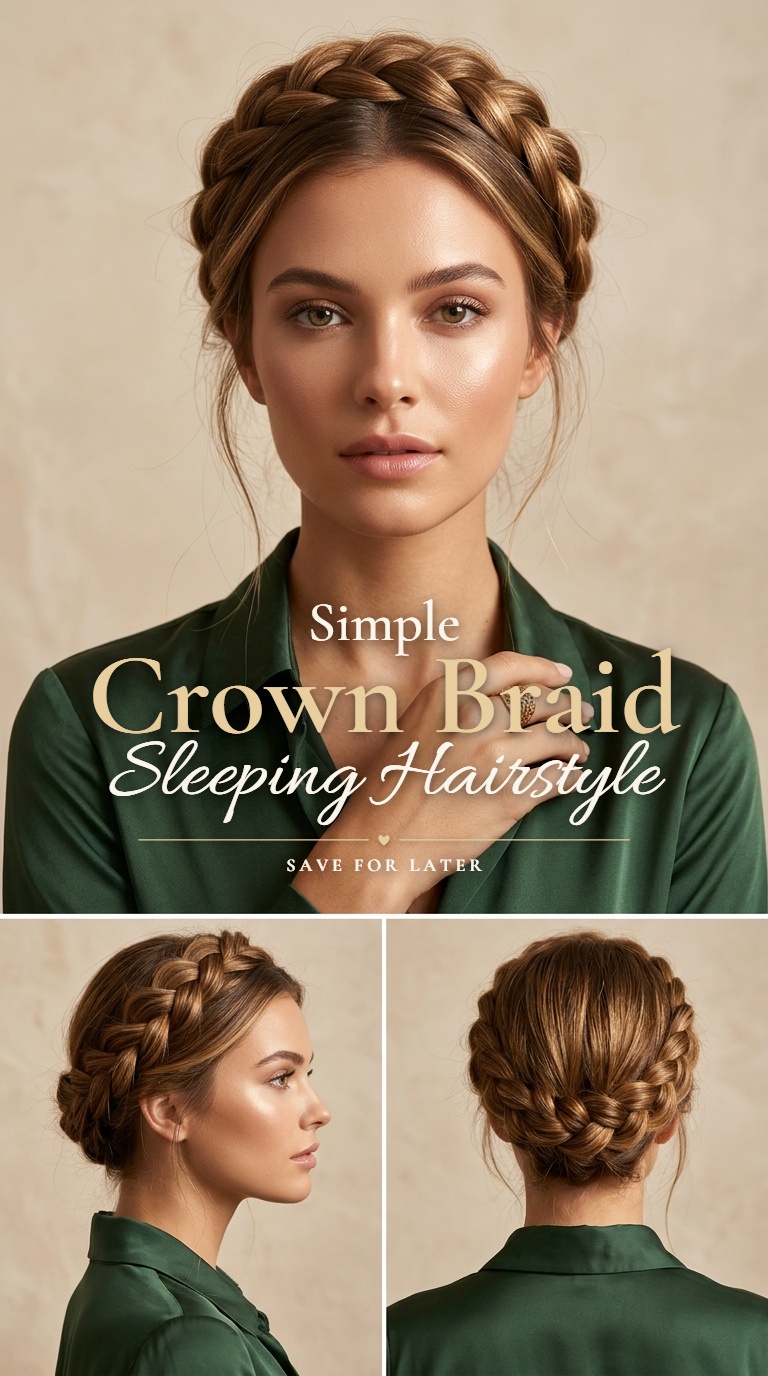
A crown braid wraps around the head, keeping the hair entirely off the neck and shoulders. It is a very secure method for long-term overnight protection.
You can achieve a simplified version by braiding two sections and pinning them across the top. Ensure the pins are flat against the scalp to avoid discomfort.
This style minimizes movement, which is the primary cause of overnight breakage and frizz. It is a sophisticated way to keep your hair healthy while you rest.
10. Traditional Single Plait for Sleeping
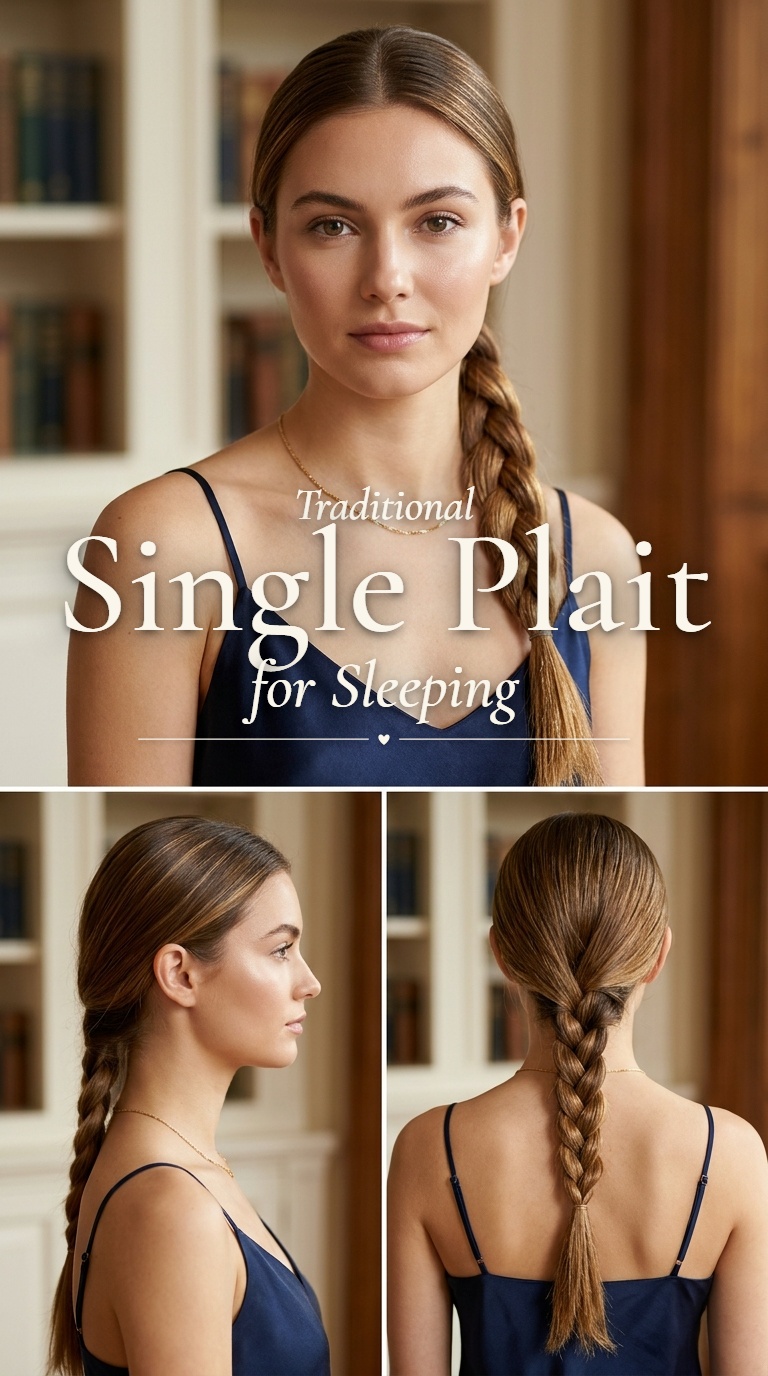
The traditional single plait is perhaps the easiest method to implement into your nightly routine. It requires only a few seconds to set up before getting into bed.
Braid the hair straight down the back, starting from the middle of the head. Leave the top loose to avoid any unnecessary tension on the hair follicles.
This is a versatile choice for all hair lengths that can reach the back. It keeps the hair organized and prevents the common “birds nest” effect in the morning.
11. Dutch Braid Protective Sleeping Hair
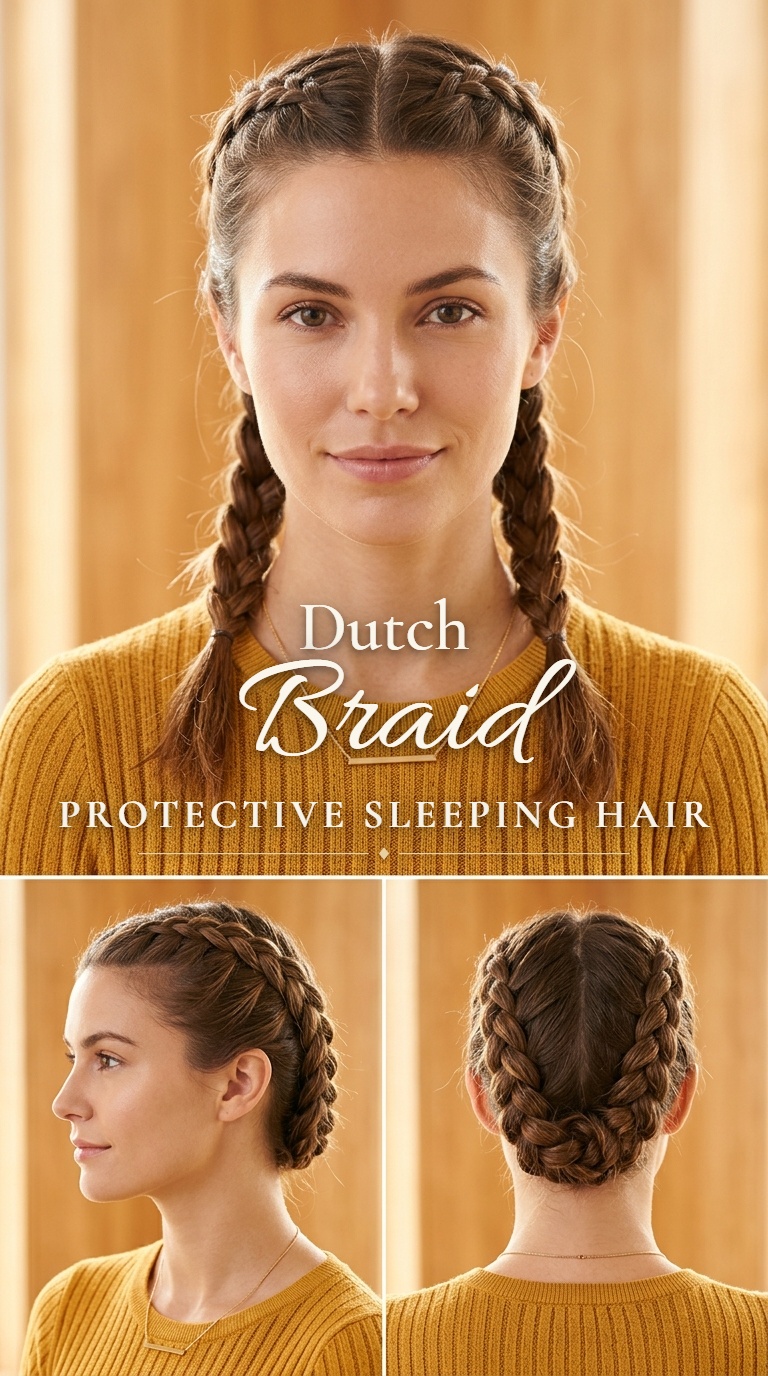
Dutch braids are similar to French braids but the hair is crossed under rather than over. This creates a raised braid that sits on top of the hair.
This style is excellent for keeping thick hair compressed and very tidy. It prevents the hair from spreading out across the pillow and getting caught or matted.
Because the braid is tighter to the scalp, it is very effective for shorter layers. It offers maximum security for those with hair that tends to slip out.
12. Two Strand Rope Twist Sleeping Hairstyle
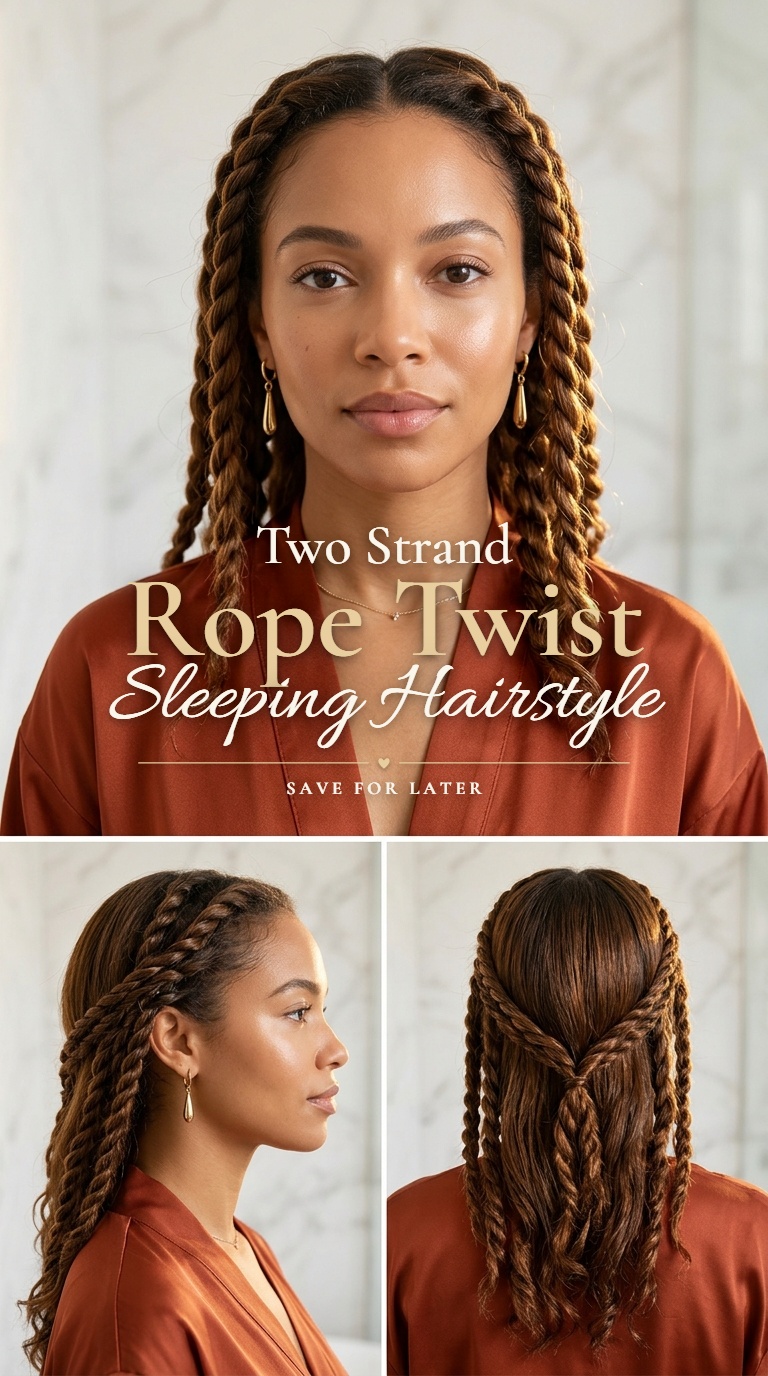
Rope twists are a great alternative to standard braids for those who want something different. It involves twisting two sections around each other in a spiral.
To keep the twist from unraveling, twist each individual section before crossing them over. Secure the end with a non-snag hair tie or a soft silk ribbon.
This style creates a different wave pattern than a standard three-strand braid. It is very gentle on the hair and reduces the risk of mechanical damage.
13. Hair Tube Protective Sleeping Accessory
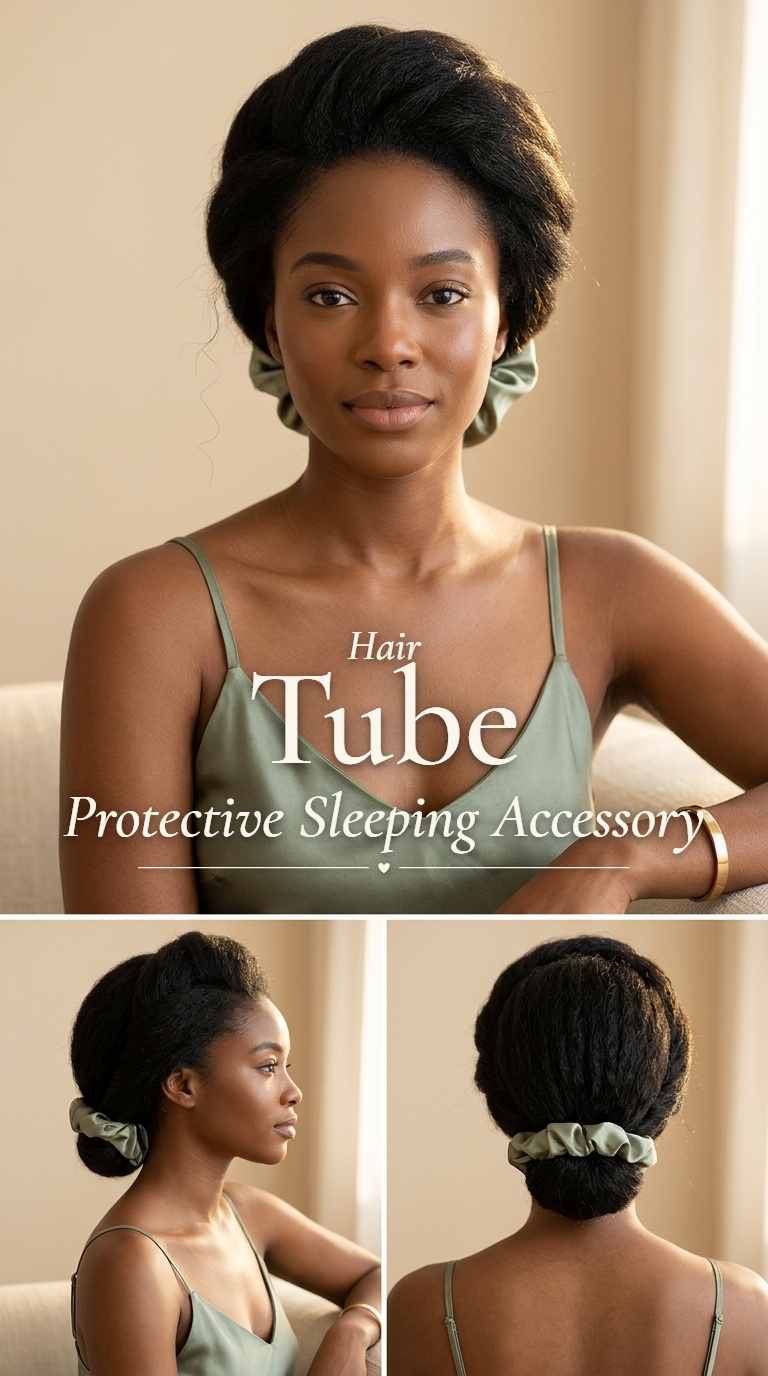
A hair tube, often called a “buff,” is a seamless fabric sleeve that slides over the hair. It keeps hair flat and contained without any ties.
Pull the tube over your neck first, then pull it up over your hair. Let the length of your hair rest inside the fabric tail of the tube.
This is one of the most comfortable options as there are no lumps or elastics. It is perfect for people who find braids or buns uncomfortable for sleeping.
14. Loose Side Braid for Sleeping
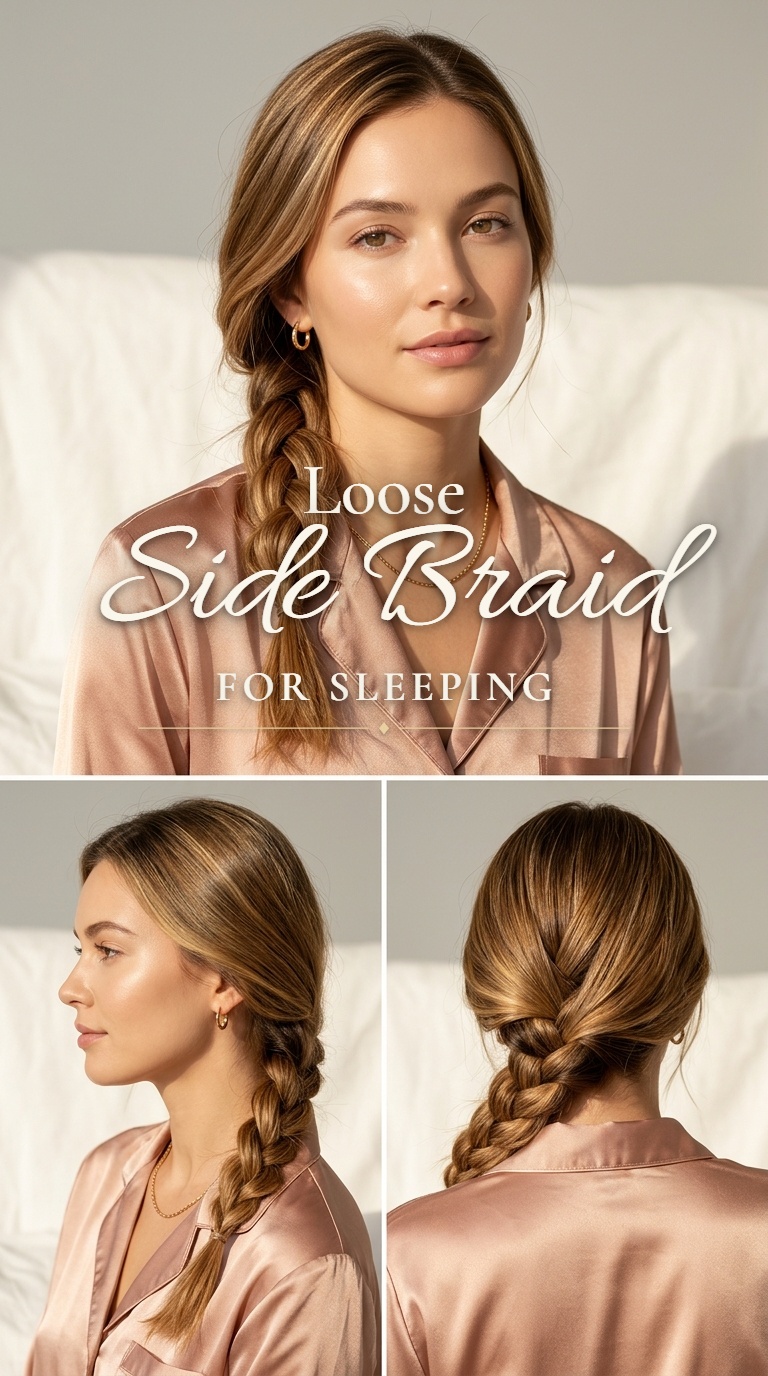
A loose side braid is the preferred choice for dedicated side-sleepers. By placing the braid on the opposite side of where you lay, you avoid lying on hair.
Pull all your hair over one shoulder and braid it loosely down to the ends. This prevents the braid from getting trapped between your neck and the pillow.
This position reduces friction on the underside of the hair significantly. It is a simple adjustment that makes a big difference in hair health and sleeping comfort.
15. Small Multiple Braids for Sleeping
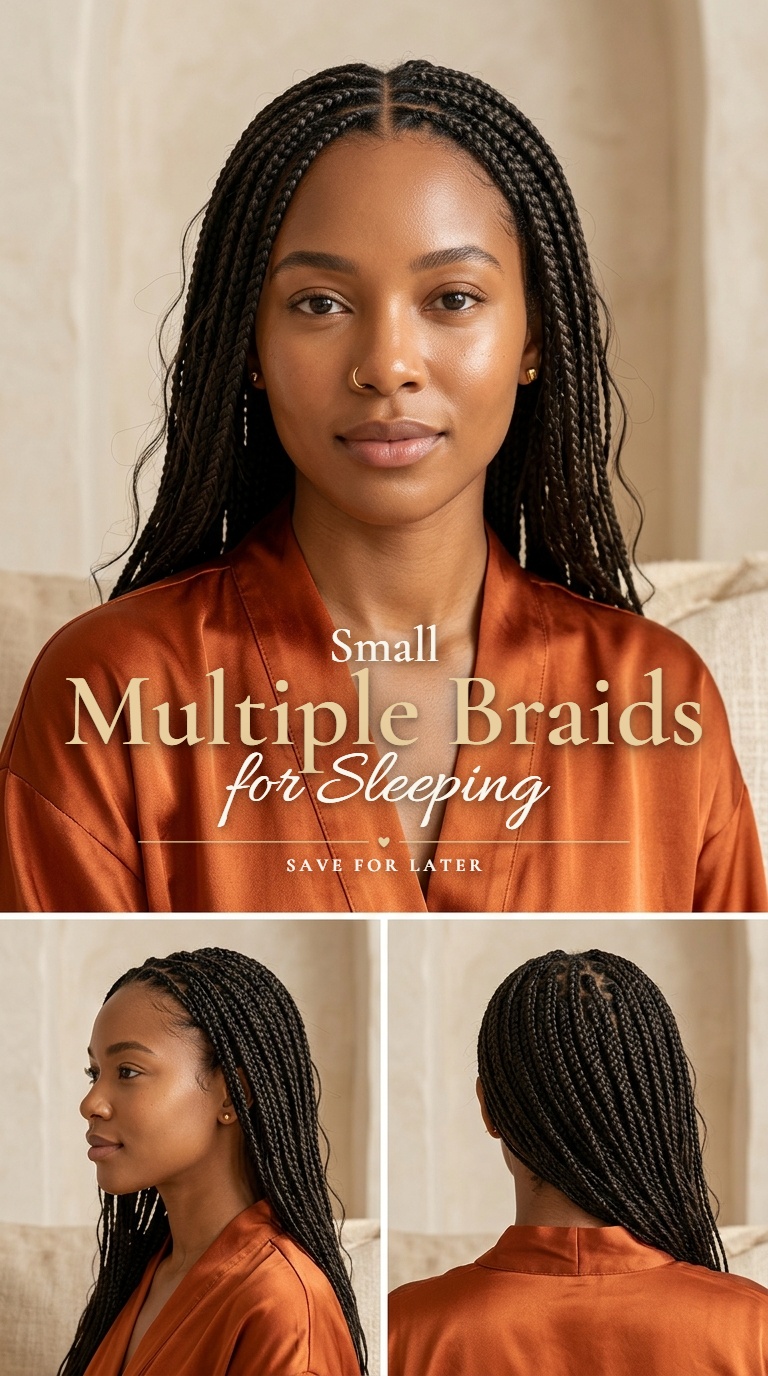
Creating several small braids across the head is a technique used to maximize hair security. It ensures that no large sections of hair are left loose.
Divide the hair into four to six sections and braid each one individually. This is especially helpful for very thick or high-density hair types that tangle easily.
While it takes more time to prepare, the level of protection is superior. It also results in a very defined wave pattern once the braids are undone.
16. Soft Bubble Ponytail Protective Sleeping
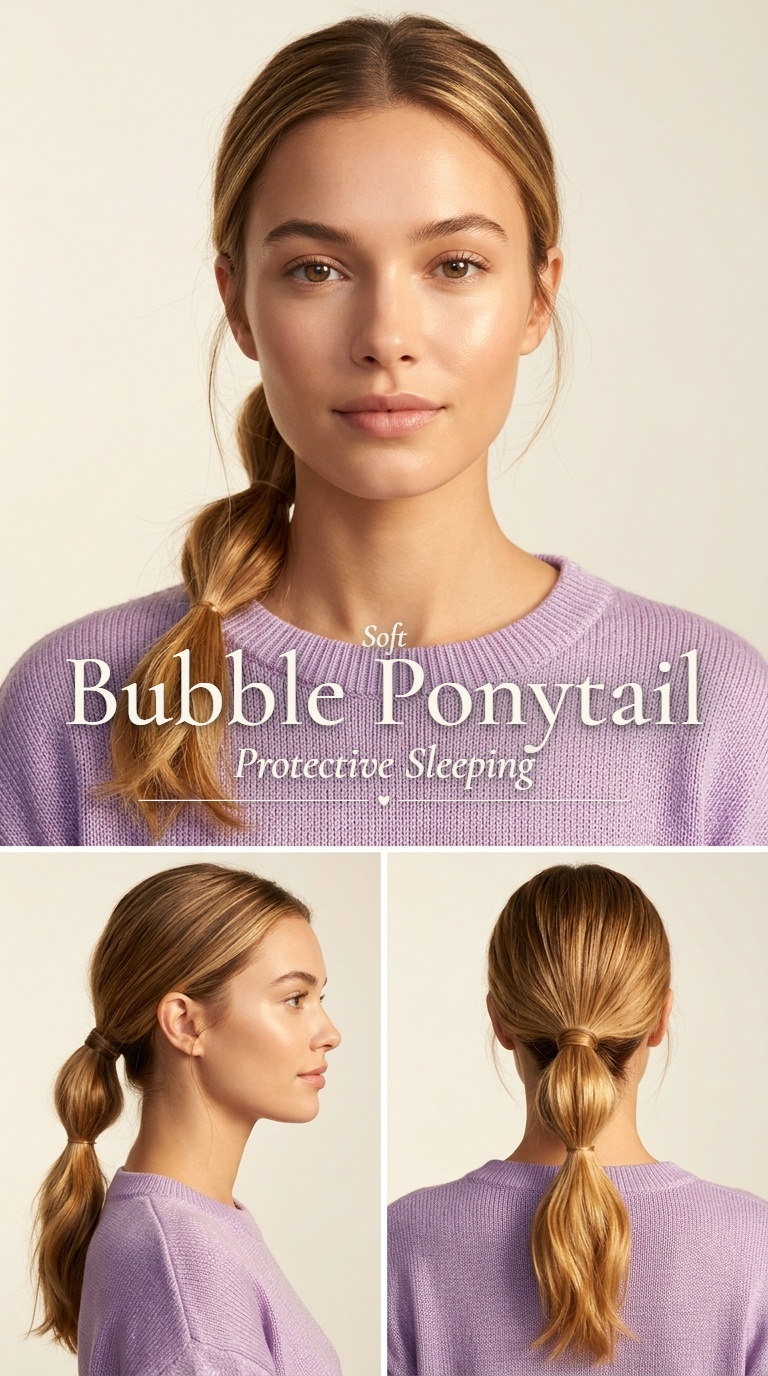
A bubble ponytail uses multiple soft scrunchies down the length of a single ponytail. It keeps the hair contained without the compression of a tight braid.
Space the scrunchies every few inches to create “bubbles” of hair down the back. Ensure the elastics are loose enough to avoid leaving deep indentations.
This is an excellent choice for maintaining the look of straight hair. It prevents the hair from tangling while keeping it relatively flat and smooth throughout the night.
17. Low Chignon Protective Sleeping Style
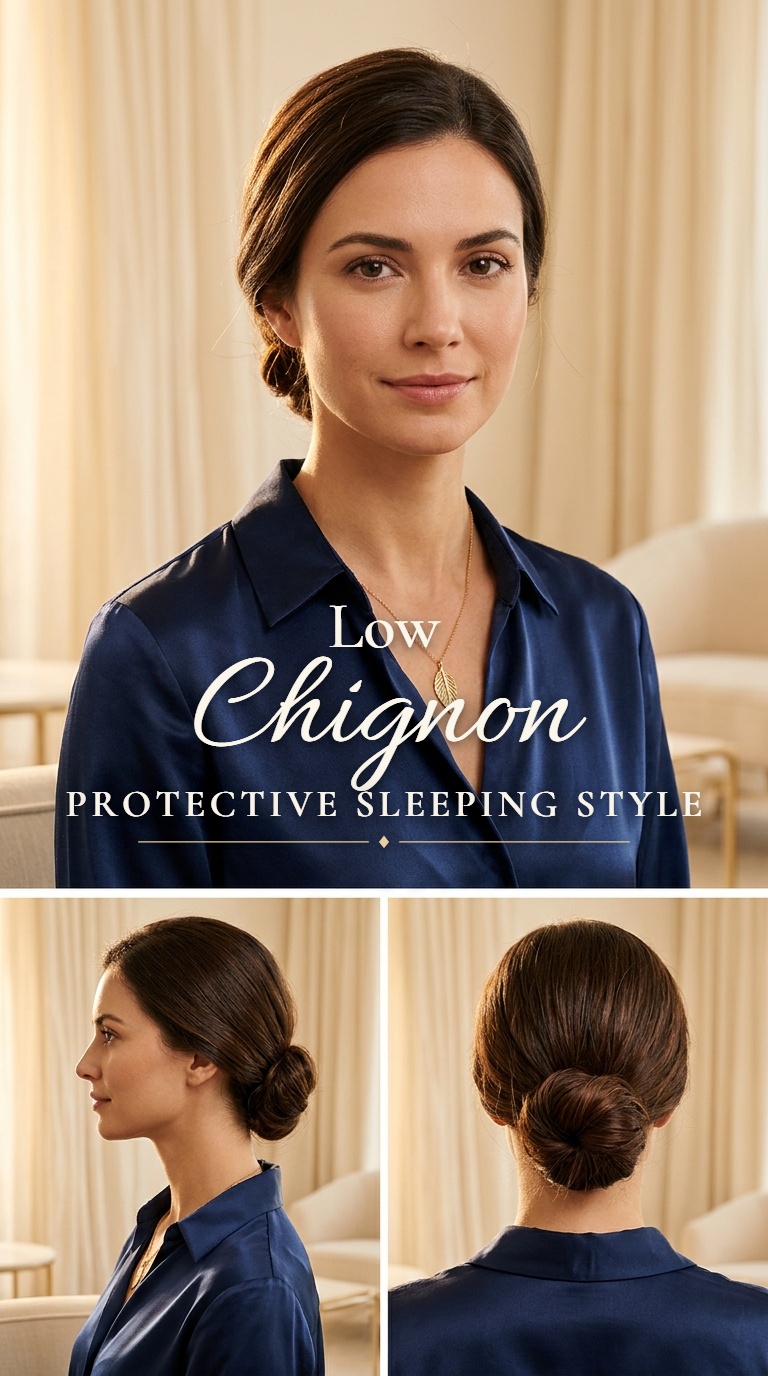
A low chignon is a tucked bun that keeps the ends of the hair completely hidden. Protecting the ends is vital as they are the oldest hair.
Form a low ponytail, then loop the hair through and tuck the ends into the base. Secure with a large, soft fabric tie to keep it safe.
By tucking the ends away, you prevent them from rubbing against fabric and splitting. This style promotes length retention and overall hair health over time.
Why should I use protective hairstyles for sleeping?
Using these styles reduces the friction between your hair and the pillow, which prevents breakage, frizz, and split ends. It also helps your hair retain its natural moisture throughout the night.
How do I choose the best protective hairstyles for sleeping?
Consider your hair type, length, and how you move in your sleep. Side-sleepers often prefer side braids, while those with curls benefit most from the “pineapple” method on top of the head.
Are braids the most effective protective hairstyles for sleeping?
Braids are highly effective because they keep the hair strands organized and secure. They prevent the hair from matting and tangling, making the morning routine much more manageable for most people.
Can protective hairstyles for sleeping prevent hair breakage?
Yes, by containing the hair, you stop individual strands from rubbing against each other and the bedding. This significantly lowers the risk of mechanical damage and thinning caused by overnight movement.
Should I wear a silk bonnet with protective hairstyles for sleeping?
Combining a protective style with a silk or satin bonnet provides the maximum level of protection. The bonnet adds an extra layer of defense against moisture-absorbing cotton pillowcases and friction.
How tight should protective hairstyles for sleeping be?
These styles should always be loose and comfortable to avoid scalp tension. Tight styles can lead to hair loss or “traction alopecia,” so ensure your ties are soft and not pulling.